

When AI Can Build Anything, Your Job Is Deciding What's Worth Building
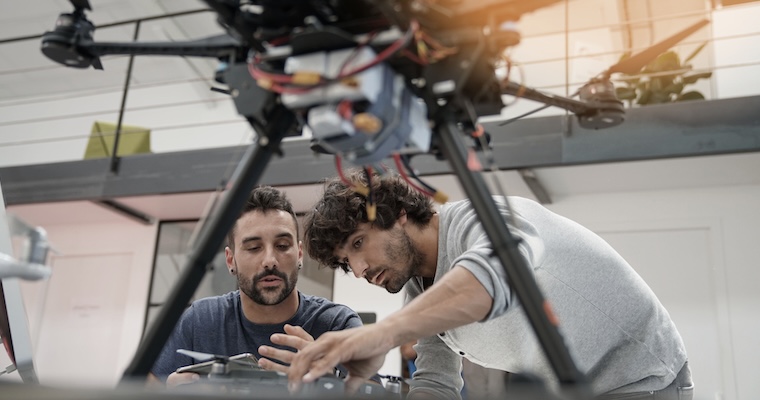
Generative AI removes many barriers to execution, putting greater pressure on founders to choose the right customers, products, and ideas.
Generative AI removes many barriers to execution, putting greater pressure on founders to choose the right customers, products, and ideas.

Without the guardrails of marketing capabilities and disciplined execution, unbridled creativity can hurt financial and strategic results, a study of international ventures showed.

New products often fail because they solve weak problems, add too many features or skip customer validation. Stephen Golden explains five common mistakes.

Entrepreneurs may not need costly materials or features to create a premium image. New research shows darker colors can signal status and prestige.

Breakthrough innovation often requires both listening to customers and imagining solutions they cannot yet articulate. TIVO illustrates how the two approaches can work together.

Students redesign Lindor truffles for new customers while learning product strategy, creativity, branding, packaging and advertising.

If students can use AI to build in hours what once took weeks, the way we teach them has to change too.

Selling to a large company means finding the right champion, budget owner and technical gatekeeper — and understanding when the organization is ready to act.

Tickle Me Elmo, Pound Puppies and other toy hits reveal why human insight, emotion and lived experience still matter in the age of generative AI.

Many schools want entrepreneurship classes that are “cross-campus” and “experiential.” This class at University of Minnesota does both.



Supported by the Richard M Schulze Family Foundation